Interlinked Rewards Across Digital Table Game Platforms: Tracking Influences on Session Lengths
Ellis Baumann · Oct 30, 2026
Interlinked Rewards Across Digital Table Game Platforms: Tracking Influences on Session Lengths
Digital table game providers have developed systems where loyalty points, bonus triggers, and cross-game rewards connect across multiple operators, and these connections alter how long players remain active in sessions. Data from regulatory filings and platform analytics in 2026 indicate that such interlinked structures create pathways for players to move between titles while accumulating benefits that extend play periods.
Structure of Connected Reward Systems
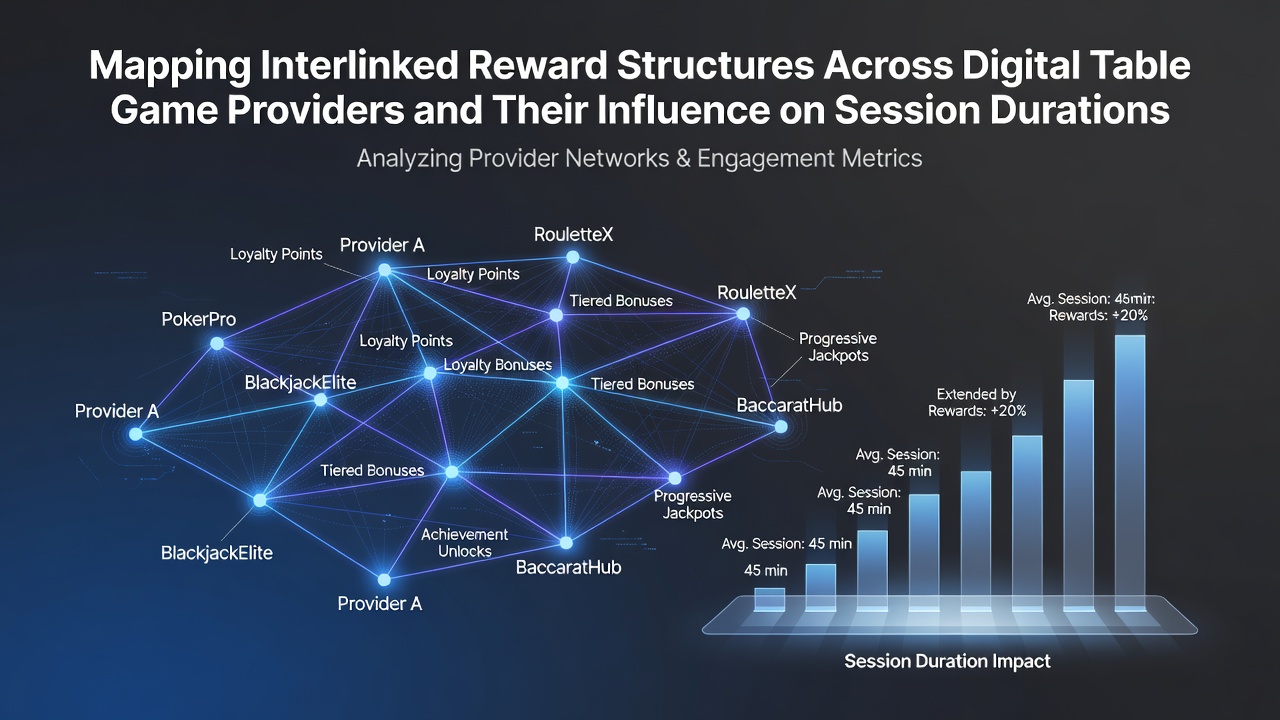
Providers integrate loyalty programs so that points earned in one blackjack variant transfer to roulette sessions on partner platforms, while bonus multipliers activate based on shared activity thresholds. Researchers at academic institutions tracking European and North American markets note that these links often rely on shared user identifiers and API connections that allow seamless progression tracking. In October 2026 reports from state-level oversight bodies highlighted increased adoption of these networks among operators offering live dealer and RNG-based table games.
One example involves a cluster of providers where completing a certain number of hands in poker triggers a reward voucher usable on baccarat tables hosted elsewhere, and this mechanism keeps users engaged across separate applications without resetting progress. Observers note that the design encourages sequential play rather than isolated sessions, since accumulated value carries forward through the interlinked framework.
Data on Session Duration Patterns
Analytics compiled from multiple operators show that sessions involving cross-provider rewards last longer on average than those confined to single platforms. Figures from Canadian provincial regulators and Australian research centers reveal session extensions ranging from 12 to 28 minutes when players activate linked bonuses mid-session. These measurements come from aggregated telemetry that records login timestamps, reward redemptions, and logout events across participating networks.
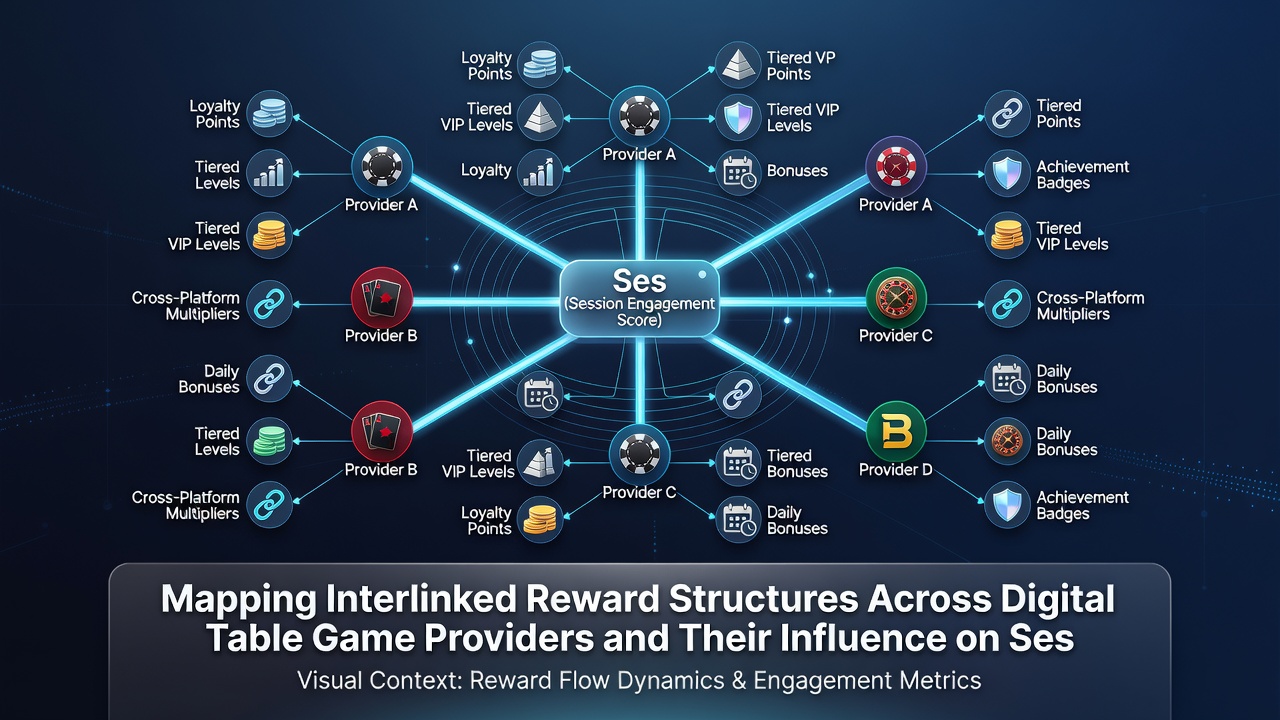
Studies from university-affiliated gaming research groups further break down the data by game type, finding that roulette sessions benefit most from the carry-over effects because bonus rounds can chain directly into blackjack hands on linked sites. The pattern holds across both desktop and mobile environments, although mobile sessions demonstrate slightly higher extension rates due to push notifications reminding users of pending rewards.
Provider Mapping and Geographic Variations
Mapping efforts reveal distinct clusters: North American operators tend to connect through centralized loyalty exchanges, whereas Asian-focused platforms integrate rewards via regional payment gateways and tournament structures. Reports issued by the New Jersey Division of Gaming Enforcement in mid-2026 documented over 40 active inter-provider agreements affecting table game portfolios, while similar documentation from the Alcohol and Gaming Commission of Ontario outlined parallel arrangements in Canadian markets. These maps show that reward density correlates with longer session tails, particularly when multiple providers share progressive jackpot elements tied to table game play.
What's interesting is how seasonal adjustments appear in the linkages, with October 2026 seeing temporary expansions in reward multipliers during major sporting events that spill over into table game traffic. Providers adjust connection strength accordingly, allowing points from sports-related promotions to feed directly into table game balances and thereby sustaining player activity across categories.
Measurement Approaches and Analytical Tools
Analysts employ graph theory models to trace reward pathways, treating each provider as a node and each shared loyalty mechanic as an edge that influences time spent. Data indicates that denser networks produce measurable increases in session continuity, with users less likely to exit when unclaimed rewards remain accessible through partner platforms. External validation comes from industry association white papers and peer-reviewed papers hosted on academic repositories, which cross-reference platform logs against anonymized user behavior datasets.
Those who've examined retention metrics across these systems observe that table game sessions show more pronounced effects than slot-based ones, likely because table mechanics allow for incremental reward triggers during individual rounds rather than fixed spin outcomes. This distinction appears consistently in comparative analyses released through European gaming trade groups and North American regulatory summaries.
Conclusion
Interlinked reward structures among digital table game providers create measurable pathways that extend session durations through transferred benefits and chained incentives. Current mappings from 2026 demonstrate regional differences in network density, with data from multiple oversight sources confirming the influence on play length across blackjack, roulette, and related titles. Continued tracking through regulatory filings and academic studies will clarify how these connections evolve in response to platform updates and policy shifts.