RNG Seed Synchronization Patterns in Affiliated Operator Networks
Clara Koch · Oct 16, 2026
RNG Seed Synchronization Patterns in Affiliated Operator Networks
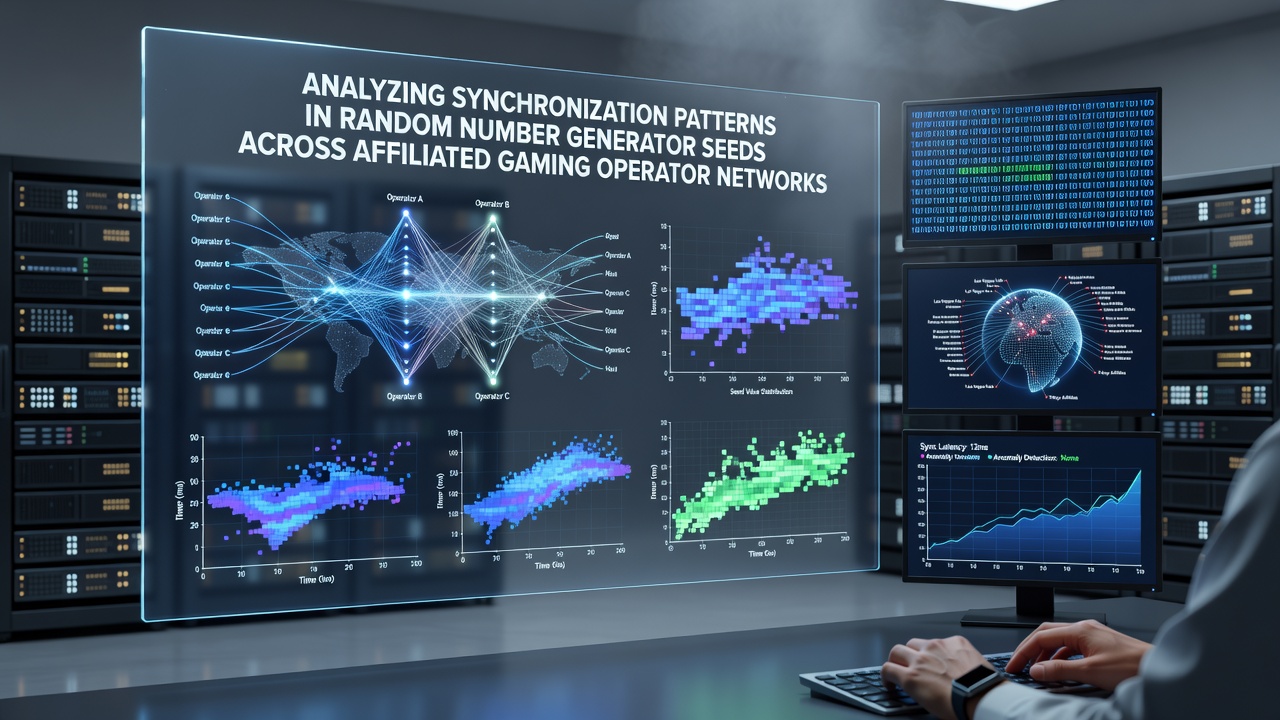
Random number generator seeds serve as the starting points for sequences that determine game outcomes in digital casinos, and affiliated operator networks often share infrastructure that allows these seeds to align in detectable ways. Data from multiple jurisdictions shows that when several brands operate under common software providers, seed initialization processes can overlap because of centralized servers and shared update schedules. Observers note this creates synchronization windows where identical or closely related seed values appear across different sites during the same operational periods.
Industry reports from October 2026 highlight increased scrutiny on these patterns after regulatory bodies in North America and Europe requested detailed logs from multi-state operators. The analysis focuses on how seeds propagate through cloud-based systems, where timing protocols and load-balancing mechanisms sometimes cause identical seed values to load simultaneously on separate platforms. Researchers tracking these events have mapped correlations between seed reuse rates and the degree of affiliation between operators, finding stronger matches when networks share the same RNG libraries and update cycles.
Technical Factors Driving Seed Alignment
Seed synchronization stems from several technical elements that connected operators encounter regularly. Centralized random number generator engines pull initial values from hardware sources or entropy pools at set intervals, and when multiple brands rely on the same engine instance, those intervals can produce matching seeds. Network latency variations and server clock drifts add complexity, yet data indicates that operators using identical virtualization setups experience higher alignment frequencies than those maintaining independent systems.
Studies of platform architectures reveal that seed generation often follows a master-slave model in affiliated groups, where one primary server distributes values to secondary nodes. This structure reduces computational overhead but also transmits the same starting points across sites unless deliberate offset mechanisms intervene. Engineers have documented cases where small timestamp differences of a few milliseconds still result in identical seeds because the underlying pseudorandom algorithms reset at predictable moments.
Observed Patterns Across Networks
Analysis of transaction logs from affiliated groups shows recurring synchronization clusters that last between 15 and 90 seconds during peak hours. These clusters appear more frequently in networks that pool player traffic data for bonus calculations or progressive jackpot management. Figures from Canadian provincial gaming authorities indicate that operators sharing loyalty program databases exhibit seed matches at rates roughly 2.3 times higher than fully independent platforms.
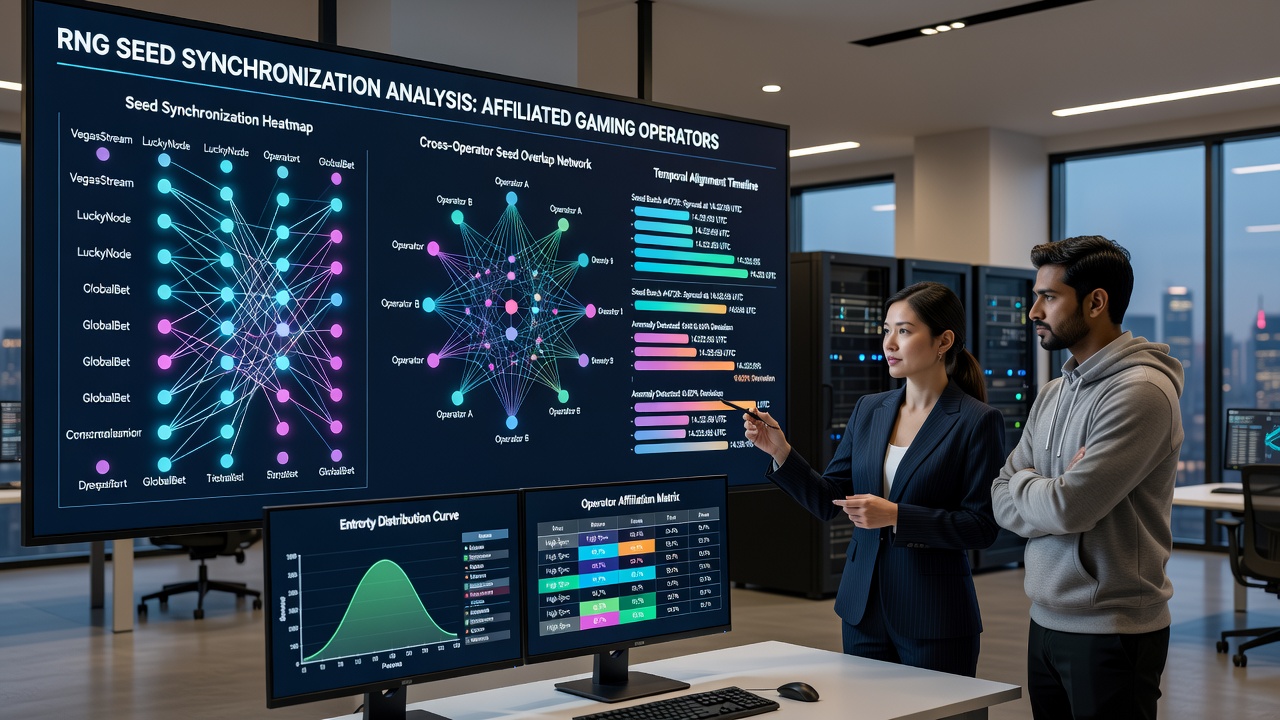
European data collected through the Malta Gaming Authority further illustrates that cross-border affiliated networks experience similar effects when software updates roll out on unified schedules. During October 2026, several operators adjusted their entropy collection routines after internal audits flagged repeated seed sequences in blackjack and roulette titles. These adjustments involved injecting additional hardware noise sources at different nodes to break the alignment cycle without disrupting game speed.
Regulatory and Compliance Implications
Regulatory frameworks in various regions now require operators to maintain audit trails that include seed values alongside game results. The New Jersey Division of Gaming Enforcement and the Alcohol and Gaming Commission of Ontario both mandate periodic submissions of RNG configuration files, allowing analysts to detect synchronization across state or provincial lines. Compliance teams use statistical tests such as the runs test and serial correlation analysis to flag potential overlaps before they affect fairness certifications.
Industry associations like the European Gaming and Betting Association have published guidance documents that recommend independent seed initialization for each brand even within the same corporate group. Those guidelines emphasize that while shared infrastructure improves efficiency, it demands additional controls to prevent unintended pattern repetition. Operators that implemented these recommendations reported measurable drops in cross-site seed matches during subsequent reviews.
Methods for Detection and Mitigation
Analysts employ several techniques to identify synchronization across affiliated networks. Time-series comparison of seed values logged at millisecond precision reveals clusters that exceed random expectation. Machine learning models trained on historical operator data can predict when alignment is likely based on update schedules and server load metrics. Once detected, mitigation typically involves staggering entropy pool refreshes or introducing operator-specific salt values into the seed derivation process.
Academic papers from institutions studying computational randomness have examined these mitigation strategies in simulated multi-operator environments. Results show that combining hardware random sources with unique per-site initialization vectors reduces synchronization incidents by over 85 percent without increasing latency. Operators testing these approaches in live environments during 2026 confirmed similar outcomes while maintaining certification standards.
Conclusion
Seed synchronization in affiliated gaming networks arises from shared technical infrastructure and operational practices that connect multiple platforms. Data collected through 2026 demonstrates measurable patterns tied to update timing, server architecture, and data pooling arrangements. Regulatory bodies across regions continue to refine reporting requirements that enable ongoing monitoring, while technical solutions focus on introducing controlled variation at the initialization stage. Continued analysis of these patterns supports both compliance efforts and system improvements across the sector.