Tiered Affiliate Payout Networks Shape Game Selection Patterns in Digital Betting Environments
Ellis Koch · Sep 18, 2026
Tiered Affiliate Payout Networks Shape Game Selection Patterns in Digital Betting Environments
Digital wagering platforms rely on affiliate programs that connect commission structures across several game categories, and these connections produce measurable shifts in how operators and affiliates allocate promotional resources. Tiered systems often link revenue shares from slots, table games, and sports markets so that performance in one area directly influences earnings potential in others, which in turn prompts adjustments in multi-game promotional calendars throughout 2026.
Structure of Interlinked Commission Tiers
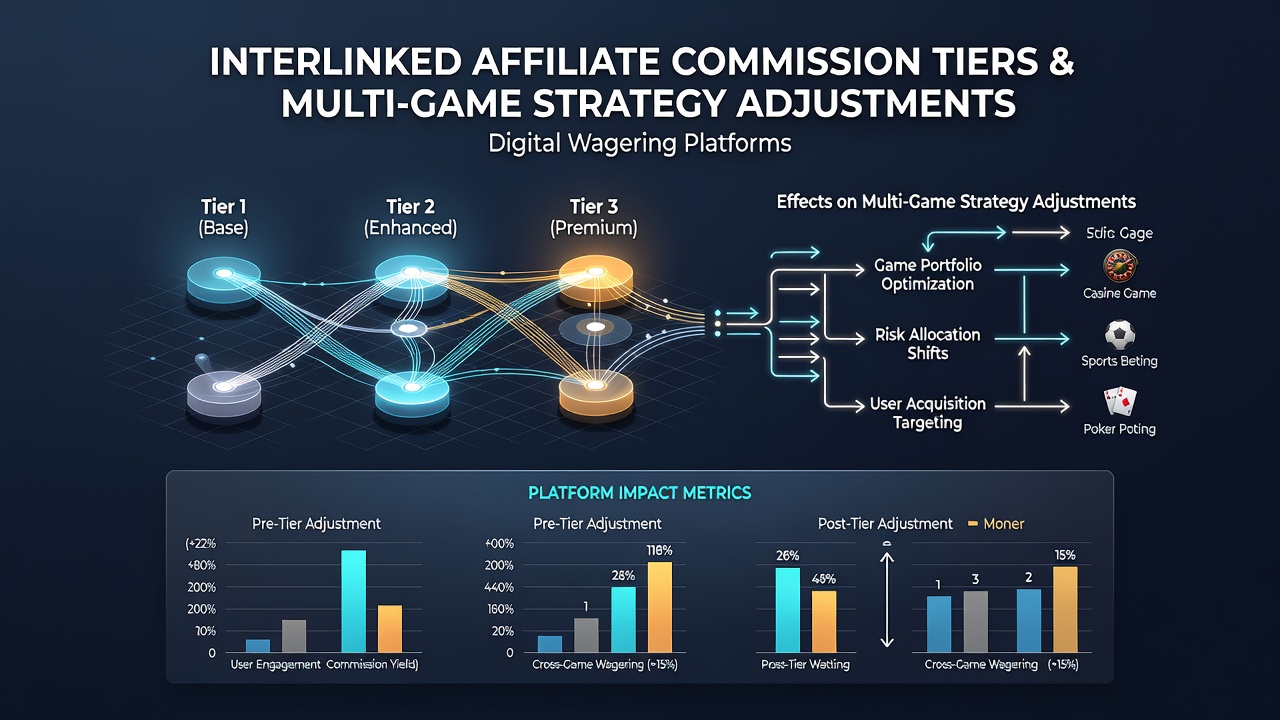
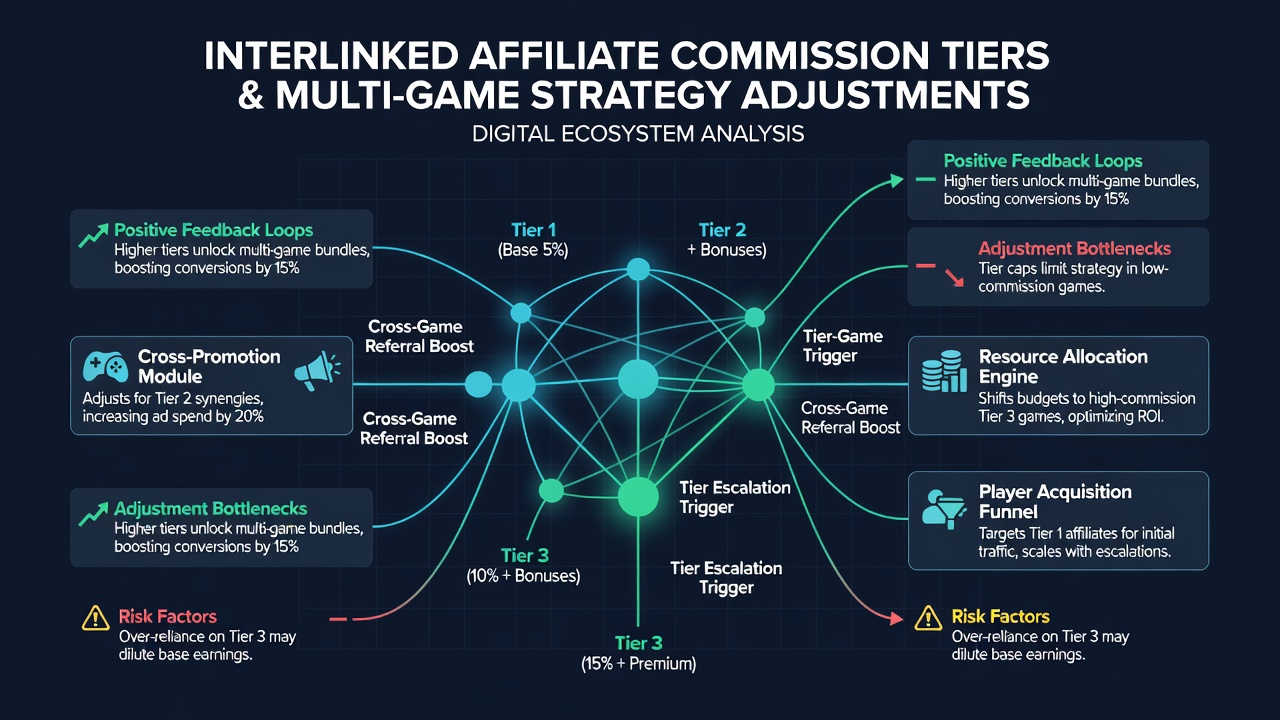
Many platforms organize affiliate payouts into progressive levels where reaching a revenue threshold in one vertical unlocks higher percentages in additional categories. Data from industry reports indicate that affiliates who meet volume targets in sports betting during summer months frequently receive elevated shares for casino products in the following quarter. This linkage creates a feedback loop because promotional focus on high-performing games feeds back into overall tier advancement, and operators track these patterns through centralized dashboards that update in real time.
September 2026 figures released by several major networks showed a 14 percent increase in cross-vertical tier upgrades compared with the same period in 2025, with most upgrades occurring when affiliates balanced traffic between live dealer tables and esports markets. Such patterns suggest the interlinked design encourages diversification rather than concentration on single titles.
Adjustments in Multi-Game Promotional Strategies
Affiliates respond to tier linkages by recalibrating content calendars to maintain momentum across multiple offerings. When commission rates rise in one category after targets are met elsewhere, promotional budgets shift toward the newly incentivized verticals within days rather than weeks. Tracking tools reveal that campaigns featuring bundled promotions across slots and poker rooms generate higher overall conversion rates than isolated efforts, because players who engage with one product often receive tier-related bonuses that extend to others.
Operators have documented corresponding changes in game release timing, aligning new titles with periods when affiliate tiers reset or advance. This synchronization helps sustain traffic flow and prevents drops that occur when affiliates pause activity between commission cycles.
Platform Data and Performance Metrics
Platform analytics indicate that affiliates operating under interconnected tiers maintain steadier traffic volumes across game types than those on flat-rate structures. A study conducted by the European Gaming and Betting Association found that networks employing tier linkages reported 22 percent lower month-to-month variance in player deposits during the first half of 2026. The same report noted that affiliates adjusted their keyword targeting and content emphasis within 48 hours of any tier advancement notification.
Those adjustments often involve reallocating banner placements and email sequences to highlight games that contribute most efficiently to the next commission threshold. Because tiers reset on different schedules across providers, affiliates managing multiple accounts develop internal calendars that synchronize promotional pushes with each network's advancement windows.
Regulatory Context and Reporting Requirements
Regulators in several jurisdictions require disclosure of affiliate compensation structures when those structures influence game promotion. Australian authorities, for instance, updated transparency guidelines in early 2026 that mandate quarterly reporting on how commission linkages affect player exposure to different wagering products. Similar measures under consideration in Canadian provinces focus on ensuring affiliates do not disproportionately direct traffic toward higher-margin games solely to advance tiers.
These reporting frameworks have prompted platforms to publish clearer documentation of tier criteria, allowing affiliates to model potential earnings across game portfolios before committing resources. The result appears in more deliberate multi-game strategies that factor regulatory compliance alongside revenue projections.
Conclusion
Interlinked affiliate commission tiers continue to influence how promotional resources distribute across game categories on digital wagering platforms. Performance data collected through September 2026 demonstrate consistent patterns of strategic reallocation as affiliates respond to tier advancements, while operators adjust release schedules and bonus structures to align with those responses. Regulatory oversight in multiple regions adds another layer of documentation that further shapes these interconnected systems without altering the underlying mechanics of tier progression.